


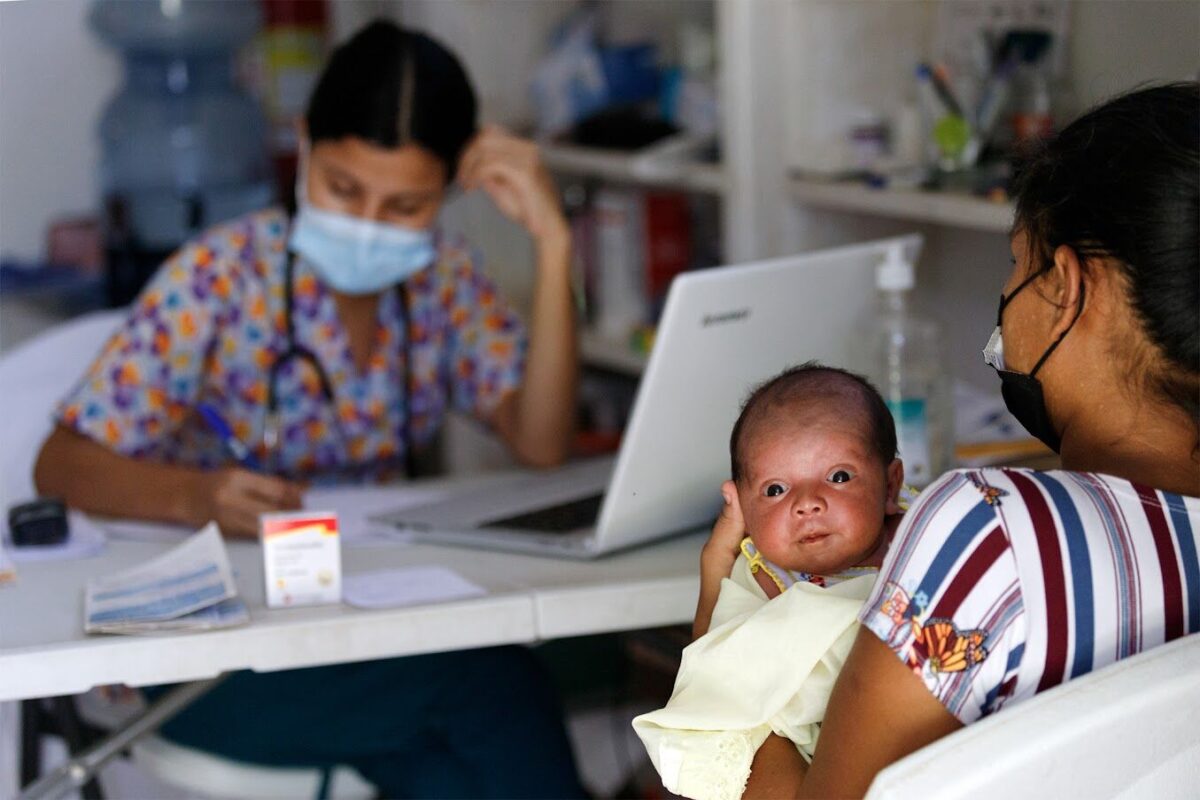
Scaling up breastfeeding can annually prevent 20,000 maternal deaths, 823,000 child deaths, and $302 billion in economic losses. So, it is not just words: optimal breastfeeding is vital to the lifelong good health and well-being of women and children.
And here are WHO’s and UNICEF’s recommendations on a proper breastfeeding:
- Early initiation of breastfeeding should be within 1 hour of birth;
- Exclusive breastfeeding should be for the first 6 months of life. That means no other foods or liquids are provided, including water;
- Continued breastfeeding should be up to 2 years of age or beyond, with the introduction of nutritionally adequate and safe complementary (solid) foods at 6 months;
- Infants should be breastfed on demand – that is as often as the child wants, day and night. No bottles, teats, or pacifiers should be used.
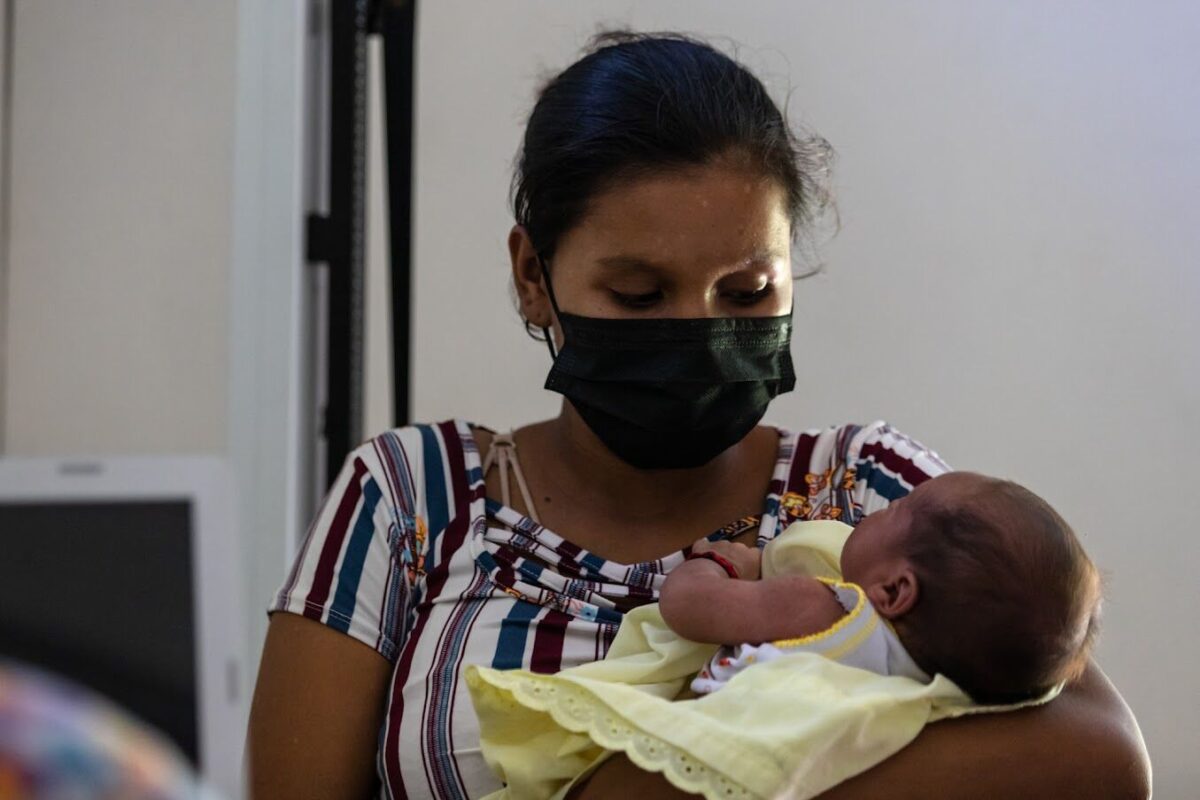
At Health & Help clinics, we help expectant and current mothers get ultrasounds and other prenatal tests performed, receive childcare medical advice, and obtain necessary vitamins. Every month, our doctors help women gain confidence in the future.
If you have the opportunity to support our work, please do so. Any financial assistance, even the smallest, will help us to take a new step in development and build visibility for our project. You can make your donation on our website.
Last news
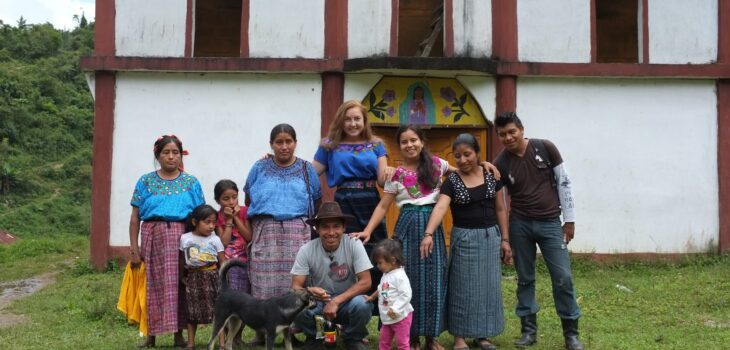
A New Chapter: The El Pojom Clinic
We are proud to announce that in November 2025, the El Pojom clinic was formally transferred to Health & Help, marking the beginning of our responsibility for the site and the realization of a long-standing strategic goal.
Learn more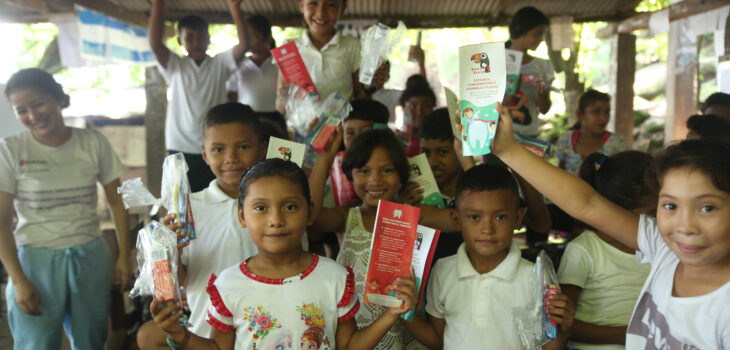
More Ways to Support
Looking for more ways to help? Your in-kind donations—like medical and hygiene items—empower Health & Help’s mission in Guatemala and Nicaragua. Find out how you can support healthcare and transform futures today. (2 min read)
Learn more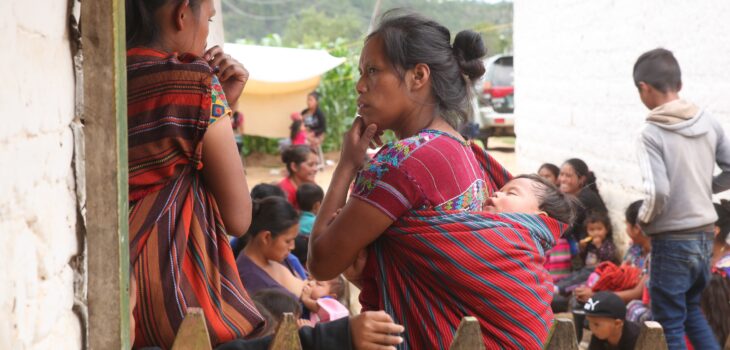
The Invisible Weight Women Carry
Fatigue that never goes away. Dizziness that makes walking feel like a chore. Hair thinning, shortness of breath, and a racing heart during everyday activities. For many women, these are not just random symptoms — they are signs of low ferritin.
Learn more